

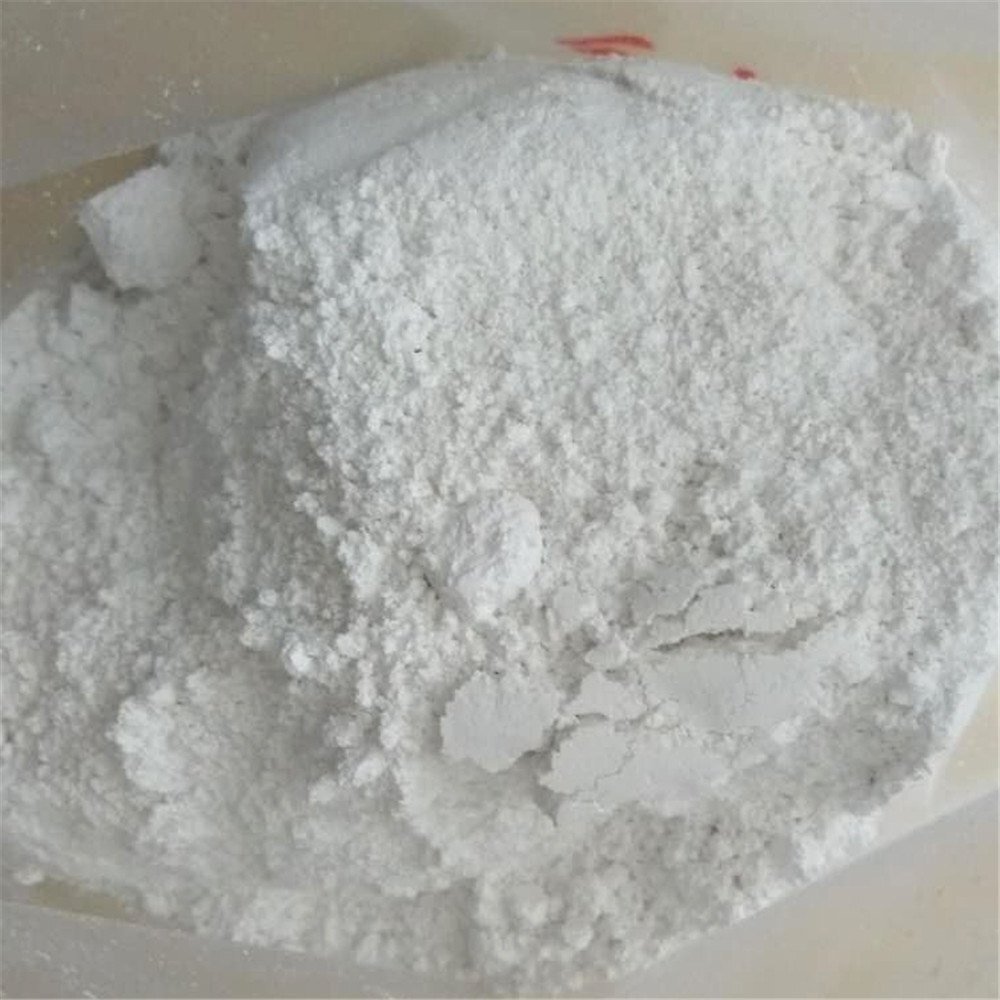
Etomidate Powder
$450.00 – $12,500.00Price range: $450.00 through $12,500.00
- Etomidate Powder 99% Purity
- Discreet Delivery
- Door Step Delivery
- Secure Checkout
- Worldwide Delivery
Etomidate is used for general Anaesthesia. Etomidate is a general anaesthetic. It works by causing reversible loss of consciousness. This allows surgical procedures to be carried out without pain and distress.
Etomidate Powder: A Comprehensive Overview of the Anesthetic Agent
Etomidate is a potent, short-acting intravenous anesthetic agent widely used in medical settings for inducing general anesthesia and providing sedation during brief procedures. Available in various formulations, including as a powder for reconstitution into injectable solutions, etomidate has been a staple in anesthesiology since its introduction in the 1970s.
This article explores its chemical properties, pharmacology, medical applications, side effects, and historical development, drawing on established medical literature to provide a balanced view. Etomidate Powder
Chemical Properties and Formulation
Etomidate, chemically known as (R)-(+)-1-(1-phenylethyl)-1H-imidazole-5-carboxylic acid ethyl ester, is a white to off-white crystalline powder that is sparingly soluble in water but highly soluble in organic solvents like propylene glycol. In pharmaceutical preparations, it is often supplied as a lyophilized (freeze-dried) powder or in a premixed solution for intravenous use. Etomidate Powder
The powder form allows for reconstitution with sterile water or saline, ensuring stability and ease of administration in clinical environments. Its molecular formula is C14H16N2O2, with a molecular weight of 244.29 g/mol. This imidazole derivative is designed for rapid onset, making it suitable for emergency and surgical settings where quick induction is critical.
Pharmacology and Mechanism of Action
Pharmacologically, etomidate is classified as a non-barbiturate hypnotic agent. It exhibits a rapid onset of action, typically within 30-60 seconds after intravenous administration, and a short duration of effect lasting 3-5 minutes, depending on the dose. The drug is highly protein-bound (about 76%) and undergoes rapid hepatic metabolism via ester hydrolysis, with metabolites excreted primarily through the urine. Etomidate Powder
The exact mechanism of etomidate’s action is not fully understood, but it primarily enhances the inhibitory effects of gamma-aminobutyric acid (GABA) on the central nervous system. It acts as a positive allosteric modulator at GABA_A receptors, increasing chloride ion conductance and leading to hyperpolarization of neurons, which results in sedation and hypnosis. This GABA-mimetic property distinguishes it from other anesthetics like propofol or thiopental, offering hemodynamic stability, particularly in patients with cardiovascular compromise. Etomidate Powder
However, etomidate’s pharmacology includes a notable interaction with the adrenal cortex. It inhibits the enzyme 11-beta-hydroxylase, which is involved in cortisol synthesis, leading to transient adrenocortical suppression. This effect is dose-dependent and typically resolves within 4-6 hours but has raised concerns in prolonged use scenarios.
Medical Uses
Etomidate is primarily employed for the induction of general anesthesia, especially in high-risk patients such as those with hemodynamic instability, hypovolemia, or cardiac conditions. Its minimal impact on blood pressure and heart rate makes it preferable over other agents that might cause hypotension. Common applications include:
- Surgical Procedures: Rapid induction for elective surgeries, endotracheal intubation, and short operations like orthopedic reductions or cardioversion.
- Emergency Medicine: Sedation in trauma cases or for procedures in intensive care units (ICUs), where maintaining cardiovascular stability is paramount.
- Diagnostic Interventions: Brief sedation for endoscopies or imaging studies.
Dosing typically ranges from 0.2-0.6 mg/kg intravenously, adjusted based on patient age, weight, and comorbidities. While not commonly used for maintenance of anesthesia due to its short duration, it can be part of a balanced anesthetic regimen combined with opioids or inhalational agents. Etomidate Powder
Side Effects and Risks
Despite its advantages, etomidate is associated with several side effects that can influence its clinical utility. Common adverse reactions include:
- Injection-Site Reactions: Pain upon injection, often due to the propylene glycol solvent in some formulations, affecting up to 20-50% of patients.
- Myoclonic Movements: Involuntary muscle twitches or myoclonus during induction, occurring in 30-60% of cases, which may be mitigated by premedication with benzodiazepines.
- Adrenocortical Suppression: As mentioned, this can lead to reduced cortisol levels, posing risks in septic or critically ill patients, though single-dose use is generally safe.
- Gastrointestinal Effects: Nausea, vomiting, and transient stomach pain post-administration.
- Other: Drowsiness, respiratory depression (if overdosed), and rare hypersensitivity reactions.
Long-term or repeated use is discouraged due to the risk of cumulative adrenal suppression, which could exacerbate conditions like Addison’s disease or sepsis. Contraindications include known hypersensitivity and caution in patients with adrenal insufficiency. Etomidate Powder
History and Development
Etomidate was first synthesized in 1964 by researchers at Janssen Pharmaceutica in Belgium as part of efforts to develop safer alternatives to barbiturates. It was introduced for clinical use in Europe in 1972 and later approved by the FDA in the United States in 1983 under the trade name Amidate. Early studies highlighted its favorable hemodynamic profile, leading to its adoption in anesthesiology.
However, concerns over adrenal suppression emerged in the 1980s, prompting research into analogs and alternatives. Despite this, etomidate remains in use today, with ongoing studies exploring modified formulations to reduce side effects, such as cyclodextrin-based solutions to minimize injection pain. buy research chemicals
In recent years, etomidate has been scrutinized in critical care literature, particularly regarding its role in rapid sequence intubation (RSI) protocols. While some guidelines recommend alternatives like ketamine in certain scenarios, etomidate’s reliability in unstable patients ensures its continued relevance. Etomidate Powder
Conclusion
Etomidate powder, as a key component in anesthetic formulations, represents a critical tool in modern medicine for safe and effective induction of anesthesia. Its rapid action and cardiovascular stability make it invaluable in high-stakes environments, though clinicians must weigh its benefits against potential side effects like myoclonus and adrenal suppression. As research advances, refinements in etomidate’s delivery and analogs may further enhance its safety profile. Always consult healthcare professionals for personalized medical advice, as this article is for informational purposes only. Etomidate Powder >> etomidate dose
| Quantity | 10grams, 25grams, 50grams, 100grams, 500grams, 1Kg |
|---|
Reviews
There are no reviews yet.